Hiking With Your Dog in NZ
Your dog has been ready since 6am. Lead in mouth. Staring at you. Slightly judging you. A walk with your dog is the easiest outdoors win there is: no schedule, no summit to bag, just the two of you and a track. Do it right and it's the best part of both your days. A bit of prep goes a long way though, especially if you're heading somewhere new or stepping up from the local loop to a proper day out.
The quick answer Dogs are not allowed on national park tracks or most DOC conservation land, even on a lead. But loads of regional parks, forest parks and council tracks welcome them. Start with a short local walk, build up, pack water, a dog first-aid kit and a safety vest if there's water about, and check DOC's dog access list and 1080 alerts before you go.
First: check if your dog can actually go where you're going
This is the one most people skip, and the one most likely to wreck the day before it starts. Dogs are not allowed on most DOC conservation land. That includes every national park in New Zealand. Not on a lead, not carried, not in the car park in some cases. It's an offence, and the fines are real.
That doesn't mean you're stuck with the footpath. Heaps of regional parks, forest parks, council reserves and coastal tracks are dog-friendly, often with a few conditions (on-lead, seasonal rules, no going near wildlife areas). Before you go, look up the specific track on DOC's dog access page, check the local council site too, and ring them if you're unsure. Takes five minutes and saves a very awkward turnaround at the trailhead.
| Where | Dog allowed? | The catch |
|---|---|---|
| National parks & most DOC tracks | No | An offence, even on-lead |
| Some DOC dog-friendly areas | Yes | Often need a permit, on-lead only |
| Regional & forest parks | Often | Rules vary by region, check locally |
| Council reserves & beaches | Often | On-lead or seasonal in many spots |
One more NZ-specific thing worth knowing: 1080 is toxic to dogs. Check DOC's pesticide alerts before heading into any area where aerial drops have happened, and keep your dog on-lead and away from bait and carcasses. It's not common knowledge, and it should be.
Start short and build up
If you and your dog are new to this, make it easy on yourselves. A short, local loop tells you a lot: how they handle other dogs, whether recall holds when there's a rabbit involved, how far they can go before they flag. You don't need to nail a big day out on your first go.
Anna Cochrane from Adventures with Gordo, whose kelpie Gordo has done more tramping than most humans, puts it simply: start small and work up. Build the distance over a few weeks, watch how your dog pulls up the next day, and let that set the pace.
"It's easy to start, especially if you're starting with day hikes. The goal is to gradually build up your gear. The key ingredients you need are yourself, your dog, and a sense of adventure." — Anna Cochrane, Adventures with Gordo
Browse hiking gear when you're ready to kit out.
What to pack for a hike with your dog
Here's where most people underpack, or forget the stuff that only seems obvious in hindsight. The basics first, then the ones that catch people out.
The basics (don't skip these)
- Water and a collapsible bowl, more water than you think. Dogs overheat faster than we do and can't tell you when they're cooked.
- Lead and harness, required on most dog-friendly tracks. A harness gives better control than a collar on rough ground.
- Poo bags, leave no trace applies to your dog too. Pack it out.
- ID tag, double-check it's legible and your number is current.
- Treats, for recall and for keeping a tired dog motivated on the way back. Anna reckons Gordo's earned the good stuff: "I take coffee and chocolate, so why shouldn't he have salmon skins?"
The stuff you probably won't think of
A dog first-aid kit. The basics: tweezers (for ticks and grass seeds, both very real in NZ), antiseptic, paw balm, and some bandaging. NZ grass seeds like biddi-bids and barley grass work their way into paws and ears fast. Check your dog's paws and ears at the end of every walk. As Anna puts it, "I always carry my first-aid kit and a PLB, because stuff happens."
A safety vest near water. Rivers, lakes and the coast are where keen dogs get into trouble, especially the ones more enthusiastic than able. A floatation vest is cheap insurance if your route crosses or follows water.
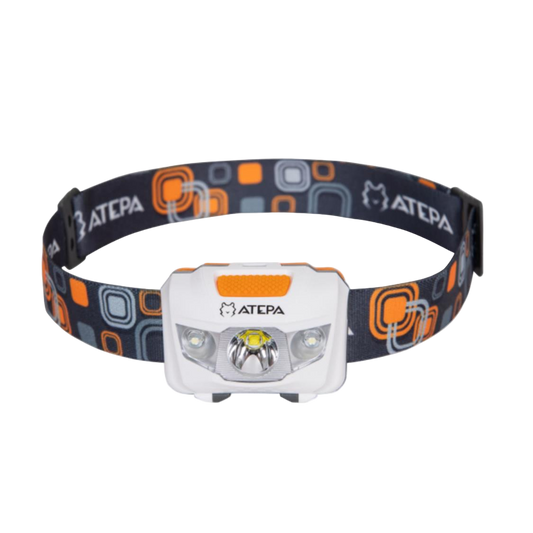
A light for dawn or dusk. Winter walks start and finish in the dark. A headtorch for you and a clip-on light or reflective strip on the dog makes a real difference. Our pick for the human end is the Petzl Bindi, tiny, rechargeable, lives in the car.
Somewhere to stash it all. Treats, poo bags, phone, keys, a spare snack. A small waist bag keeps the essentials on you and your hands free for the lead.
Gear for the dog (day walks and overnighters)
What to wear yourself
We won't write a full tramping checklist here, you can find those anywhere. But a couple of things matter more when there's a dog on the lead.
Boots with grip. A dog that lunges at a passing duck will find every loose rock and muddy root you missed. Decent footing keeps you upright. See hiking footwear.
A layer that shrugs off the weather. Dog walks happen rain or shine, because the dog doesn't care. Pinewood's dog-walking range is built for exactly this: shells and vests made for standing around damp paddocks and moving through scrub.
What's your situation?
Pick the line that sounds most like you.
Short local loops
Keep it simple: water, lead, poo bags, treats. Build the distance as your dog gets fitter. Start with the essentials in For the Dogs.
Stepping up to a big day out
Now the first-aid kit, extra water and good boots earn their place. Sort your own footing first with hiking gear.
Hikes near rivers or the coast
A pet safety vest is cheap insurance around water, especially for dogs that are keener than they are capable.
Dawn or dusk walker
Get light on both of you. A Petzl Bindi for you and a collar light for the dog, so you can both see and be seen.
Puppy or older dog
Go easy. Puppies under 12 months and senior dogs both have limits, so keep it short and flat and watch how they pull up afterwards.
A few things worth knowing before you go
Tell someone your plans. Where you're going, when you'll be back. Goes for any trip, but especially when you've got a dog to look after too.
Be honest about fitness, theirs and yours. Puppies under 12 months shouldn't do big distances; their joints are still developing. Older dogs have limits too. Hike your dog's hike, not your own ambitions.
Turning back is fine. If the weather turns or your dog's had enough, calling it is not failing. That's reading the situation. Anna's honest about it: "It's OK to change your plans, and you need to be prepared for any outcome." On one early overnight mission she and Gordo never even reached the lake they were aiming for, and just camped near the car instead. No harm done.
Some dogs aren't ready. A dog that's reactive around other dogs or people, or not reliable on recall, needs more work before a busy public track. Not a judgement, just being straight with you.
Thinking about staying the night?
Once your dog is a confident day-walker, an overnighter is the natural next step, and the rules change a little. Dogs are still banned from national parks, but there are 60+ DOC campsites that welcome them, plus a whole extra kit list: a warm bed off the cold ground, a playpen to keep them settled at camp (both up in the gear list above), and more food and water than a day out. We're writing a proper camping with your dog guide next. In the meantime, the rest of what you'll need is in camping gear.
The short version
- Check access first: no national parks, but plenty of regional and council tracks say yes
- Start short and local: build distance as your dog gets fitter
- Water and first-aid matter more than you'd think, grass seeds and overheating are the common NZ ones
- Safety vest near water: cheap insurance for a keen swimmer
- Check 1080 alerts before any bush trip
Anna Cochrane and Gordo write at Adventures with Gordo and are @gordothekelpie on Instagram. Follow along for actual proof that a kelpie can cover more ground than most people.

Hiking with your dog: FAQs
Can I take my dog on a national park track in NZ?
No. Dogs are banned from every national park and most DOC conservation land, even on a lead. It's an offence with real fines. Check DOC's dog access list, and your local council, for the tracks and parks where dogs are allowed.
Where can I actually hike with my dog?
Plenty of regional parks, forest parks, council reserves and coastal tracks are dog-friendly, often on-lead or with seasonal rules. Some DOC areas allow dogs with a permit. Look up the specific track on DOC's dog access page and the local council site before you go.
What should I pack for a day hike with my dog?
Water and a collapsible bowl, a lead and harness, poo bags, an ID tag, treats, and a dog first-aid kit (tweezers, antiseptic, paw balm). Add a safety vest if there's water on your route, and a collar light for dawn or dusk walks.
Is 1080 dangerous for dogs?
Yes, 1080 is toxic to dogs and even a small amount can be fatal. Before any trip into the bush, check DOC's pesticide alerts for recent aerial drops, and keep your dog on-lead and away from bait and carcasses.
How far can my dog hike?
It depends on breed, age and fitness. Start short and build up over a few weeks, and watch how your dog pulls up the next day. Puppies under 12 months and older dogs both need shorter, gentler outings while joints develop or slow down.
Can my dog drink from streams and rivers?
Best not to. Giardia and leptospirosis are present in NZ waterways and can make your dog sick. Carry clean water for both of you and offer it often, dogs drink more when they're active outdoors.
Should my dog be on a lead when hiking?
On most dog-friendly NZ tracks, yes, it's often a condition of access and it protects wildlife, other walkers and your dog. Even where off-lead is allowed, only let them off if their recall is genuinely reliable.